Specialty · Ayurvedic eye care

Ayurvedic Eye Care.
A Heritage of the Dogra Family.

From Pt. Amarnath Dogra’s eye-care practice in Lahore to consultations with Dr. Varun Dogra today: traditional Ayurvedic approaches, careful assessment, and professional ophthalmic evaluation where required.

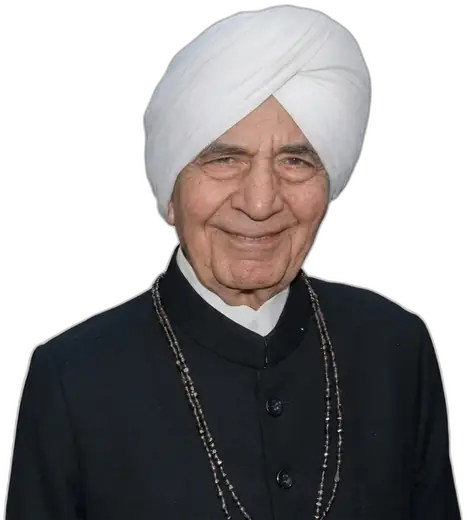
Vaid Kaviraj Pt. Amarnath Dogra
Vaid Kaviraj Pt. Amarnath DograBorn 1916 · Lahore practice 1941 · Eye-care heritage

Then & now

One family’s long association with eye care.

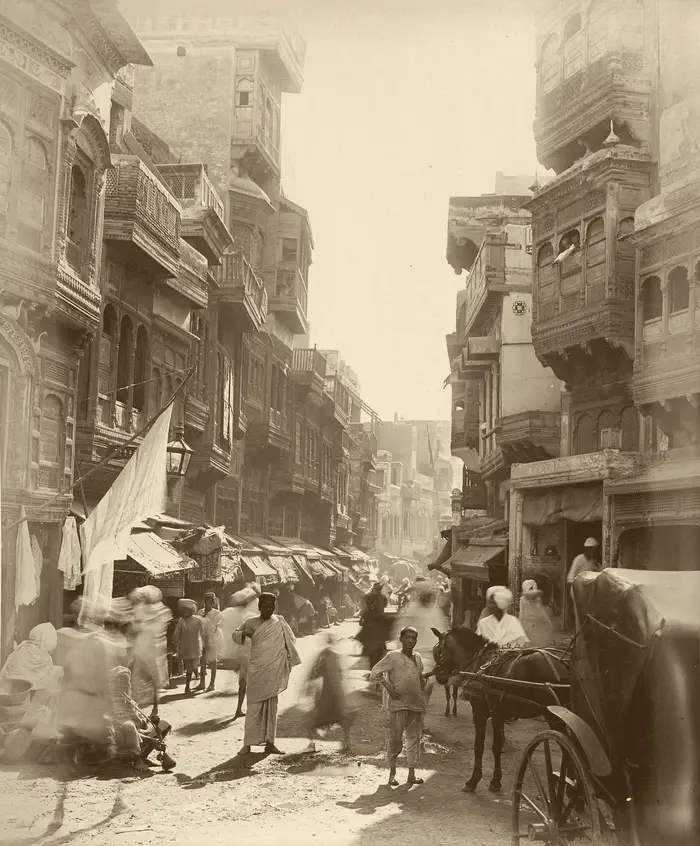
A street in old Lahore, archival photograph
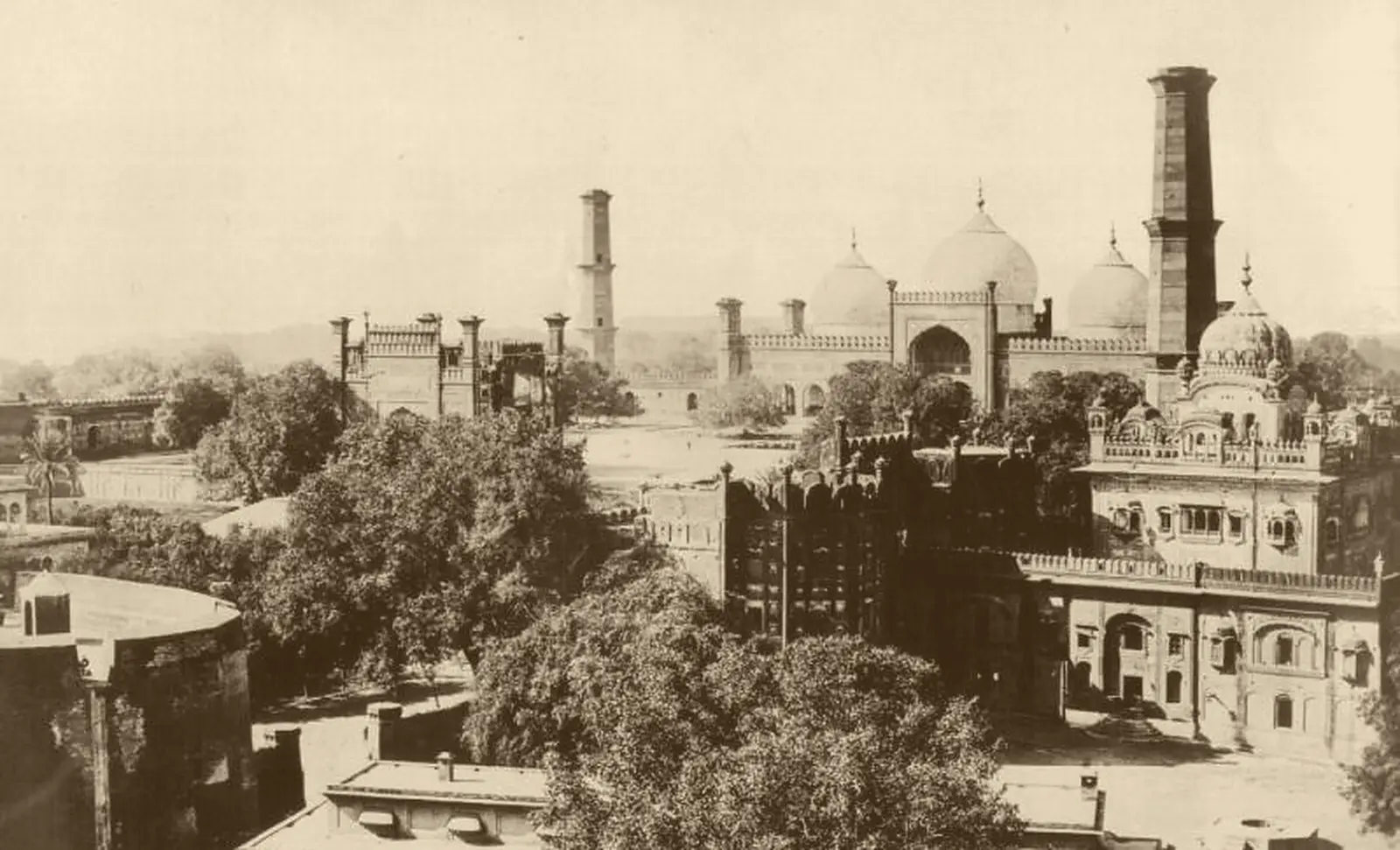
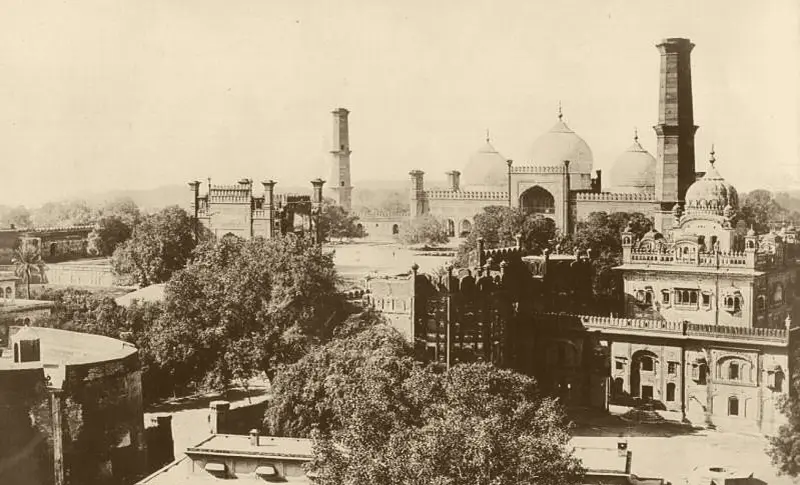
Old Lahore. Illustrative archival photograph.
Vaid Kaviraj Pt. Amarnath Dogra

Then · Lahore

Vaid Kaviraj Pt. Amarnath Dogra

  1. 1916Born 3 September 1916

    Vaid Kaviraj Pt. Amarnath Dogra was born in Bara Pind Lohatian, Tehsil Shakergarh, District Gurdaspur (now in Pakistan).

  2. 1931Kaviraj

    Studied Ayurveda at Dayananda Ayurvedic College, Lahore.

  3. 1933Vaidya Vachaspati

    Completed the Vaidya Vachaspati qualification, described in the family biography as the highest Ayurvedic qualification of the time.

  4. LahoreAn eye-care practice

    Practised Ayurveda in Lahore with a particular focus on eye care, and served as Pharmacy Incharge at Mool Chand Khairati Ram Trust Hospital.

1947

Then · Jalandhar

Dogra Ayurvedic Eye Hospital

After Partition, Pt. Amarnath Dogra established the Dogra Ayurvedic Eye Hospital at Tanda Chowk, near Mai Hiran Gate, Jalandhar. It became an important part of the family’s Ayurvedic eye-care heritage.

Family history, not a current clinic address. Today Dr. Varun sees patients at the Phagwara and Jalandhar clinics.

Chapter three · Today

Ayurvedic eye care with Dr. Varun Dogra.

Dr. Varun Dogra

Now · Phagwara & Jalandhar

Dr. Varun Dogra

Third generation · BAMS 2006

The third generation of the family’s Ayurvedic tradition offers consultation and assessment for eye concerns, with lifestyle and eye-care guidance, and refers for ophthalmic evaluation where required.

Ayurvedic eye care today

How eye care works with Dr. Varun Dogra

Each person’s approach is decided after consultation and assessment.

  1. 01

    Traditional Ayurvedic approaches

    Shalakya Tantra, one of the eight classical branches of Ayurveda, deals with the eyes, ears, nose, throat and head. Ayurvedic eye care draws on this tradition. Where appropriate, an approach may include traditional eye-care therapies, formulations and daily-care guidance, chosen according to individual assessment.

    Eye-care approaches offered at the clinic: to be confirmed by Dr. Varun
  2. 02

    Consultation and assessment

    Every eye-care plan starts with a consultation: your symptoms and how long they have been present, eye reports and prescriptions, the eye drops you use, screen and work habits, and your general health.

  3. 03

    Lifestyle and eye-care guidance

    Practical guidance on daily eye care, screen habits, rest and sleep, and diet and routine according to Ayurvedic principles, fitted to your day.

  4. 04

    Ophthalmic evaluation where required

    Ayurvedic eye care does not replace examination by a qualified eye specialist. Where needed, Dr. Varun may advise you to see an ophthalmologist, and conventional eye treatment should continue as advised.

Do not wait

See an eye specialist urgently for:

  • Sudden loss or blurring of vision
  • Severe eye pain, or a very red and painful eye
  • An eye injury, a chemical splash or something stuck in the eye
  • New flashes of light, many new floaters, or a shadow or curtain over your vision

Go to the nearest eye hospital or emergency department straight away. Do not rely on this website, or wait for an Ayurvedic consultation, for urgent eye symptoms.

Your Ayurvedic consultation can include

Working alongside your eye specialist

  • A conversation about your eye concerns, history and routine
  • A review of your eye reports, prescriptions and current drops
  • Traditional Ayurvedic approaches, where appropriate after assessment
  • Lifestyle and eye-care guidance
  • Advice to see an ophthalmologist where required

Questions

Common questions about Ayurvedic eye care

Is Ayurvedic eye care suitable for everyone?

Not always. Suitability depends on the person, the eye concern and its cause. A consultation helps you understand whether an Ayurvedic approach may be appropriate, and some eye concerns need examination and treatment by an ophthalmologist first.

When should I consult an ophthalmologist?

For any new, changing or worsening eye problem, and always urgently for sudden vision loss, severe eye pain, an eye injury or chemical splash, new flashes of light or a curtain over your vision, or a very red, painful eye. Regular eye check-ups remain important.

Can I continue my current eye drops, glasses or treatment?

Yes. Do not stop any treatment advised by your eye specialist. Tell Dr. Varun about everything you use so that any Ayurvedic guidance respects it.

Can I consult online about an eye concern?

A video or audio consultation can be a useful first conversation, but some eye concerns need an in-person examination by an eye specialist.

Is the Dogra Ayurvedic Eye Hospital the current clinic?

The Dogra Ayurvedic Eye Hospital, established in 1947 at Tanda Chowk, near Mai Hiran Gate, Jalandhar, is part of the family’s history. Today Dr. Varun Dogra sees patients at the Phagwara and Jalandhar clinics listed on this website.

Book a consultation

Begin with a conversation about your eyes.

Consult Dr. Varun Dogra at our clinics in Phagwara and Jalandhar, or start with a video or audio call. Please keep your eye reports and prescriptions ready.

Ask about eye care